Why Your Dashboards Aren’t Driving Decisions
Most dashboards show data but fail to drive action. Here’s why businesses need operational intelligence, not just reporting.

Most dashboards show data but fail to drive action. Here’s why businesses need operational intelligence, not just reporting.
AI and automation are streamlining workflows, cutting costs, and enabling smarter decisions transforming how businesses operate and compete in a digital-first world.
A board member asks a simple question during a quarterly review: \”How many customer complaints did we receive last quarter, and how quickly were they resolved?\” The executive team scrambles….
Reduce operational risk by digitizing workflows, standardizing processes, and enabling real-time monitoring for proactive, consistent, and scalable control.
Ten years ago, workflow automation meant simple if-then rules: when an email arrives, file it in this folder. When a form is submitted, send a notification. Today, automation reads documents,…
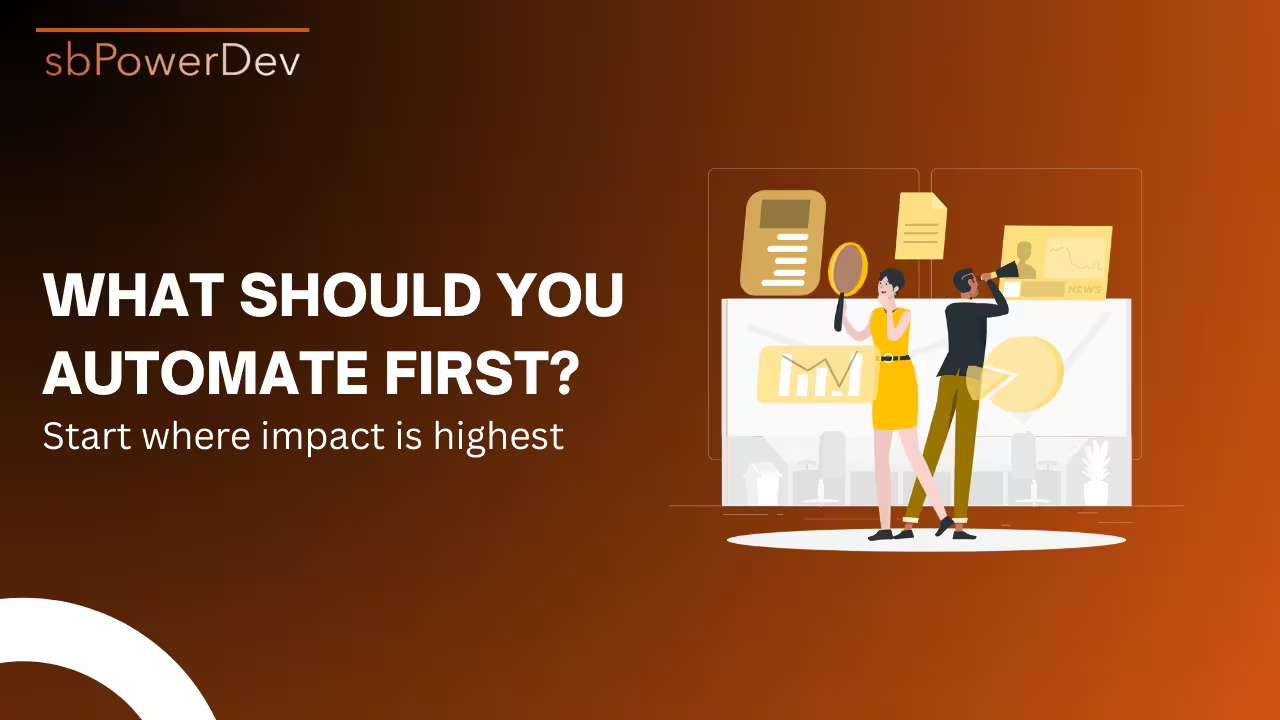
Discover which business processes to automate first for maximum ROI and which to leave alone. Learn a practical automation prioritization framework.
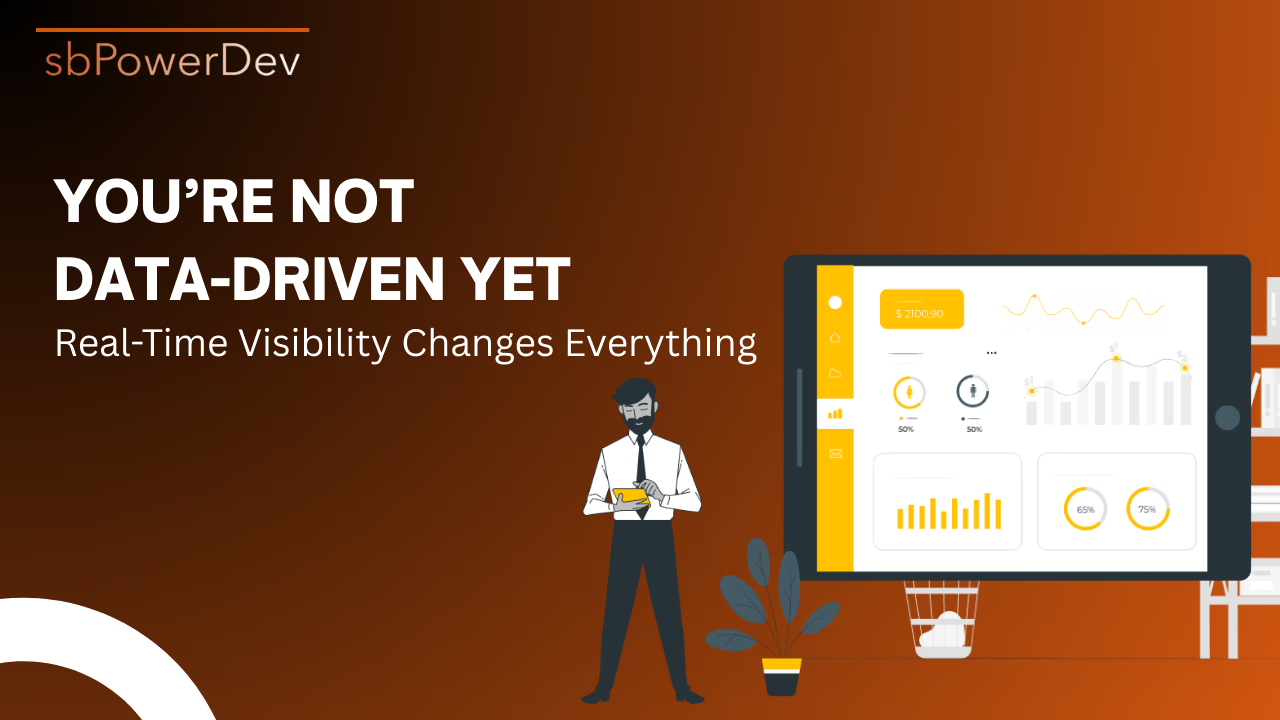
Discover what data driven manufacturing really means and how real time visibility, unified data platforms, and Power BI improve operational decision making.
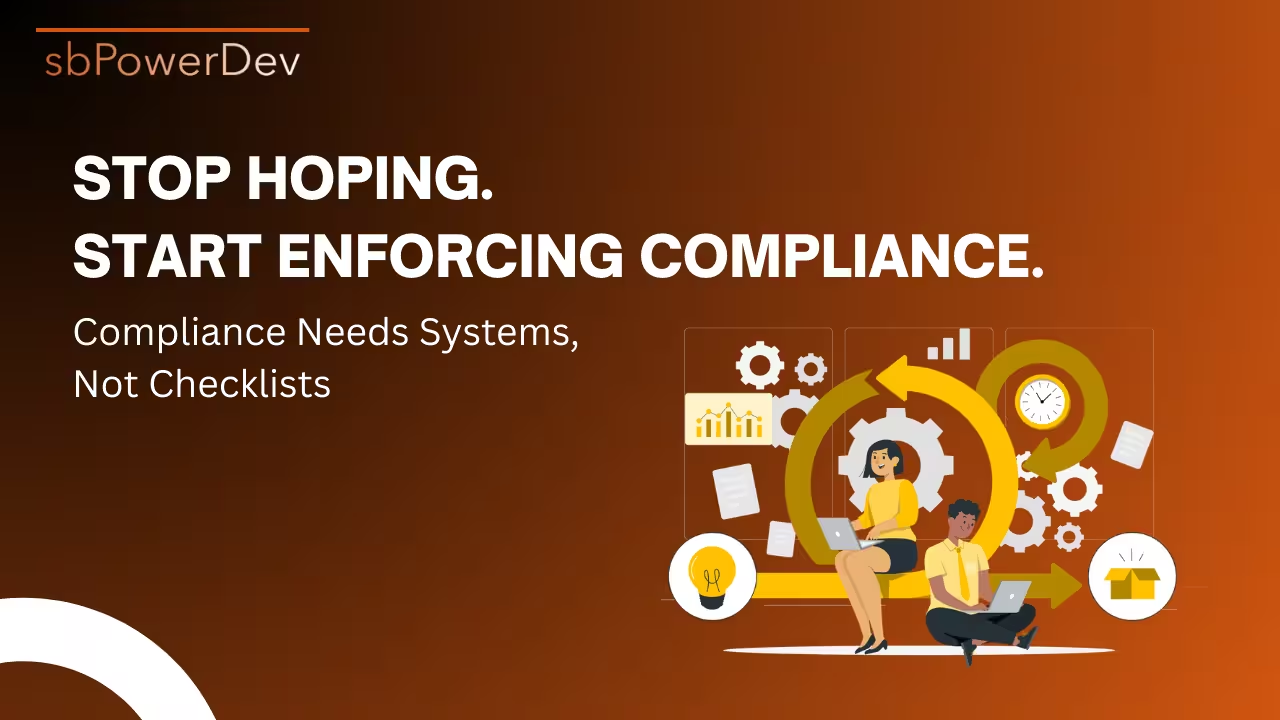
A Digital Job Hazard Assessment System improves workplace safety, ensures OSHA compliance, and eliminates paper-based risks in construction and field service operations.
A Digital Job Hazard Assessment System improves workplace safety, ensures OSHA compliance, and eliminates paper-based risks in construction and field service operations.
Microsoft Copilot Studio helps manufacturing and food businesses automate compliance, customer support, and team queries using AI assistants integrated with Microsoft Teams.